Network Gateways and Controllers Buying Guide: How to Choose
Choose the Right Network Gateways and Controllers for Your Business
Network gateways and controllers form the backbone of your business IT infrastructure, managing everything from internet access and security to wireless connectivity across your organization. For IT managers and small business owners, selecting the right equipment can feel overwhelming given the technical complexity and long-term implications of these decisions.
This guide will help you navigate the key decisions: whether you need a gateway, controller, or both; which performance and security features matter most; and how to balance functionality with budget constraints. At Tecisoft, we've helped hundreds of businesses choose reliable network infrastructure that grows with their needs.
Understanding Gateways vs Controllers: What Each Does
Network Gateways
A network gateway serves as your business's primary connection point to the internet and external networks. Modern gateways combine multiple functions:
- Internet routing and traffic management
- Firewall protection and threat prevention
- VPN connectivity for remote workers
- Network address translation (NAT)
- Quality of Service (QoS) controls
Network Controllers
Controllers centrally manage distributed network devices like wireless access points and switches:
- Centralized configuration of wireless networks
- Policy enforcement across multiple sites
- Performance monitoring and optimization
- Guest network management
- Firmware updates and maintenance
When You Need Both
Most growing businesses benefit from both: a gateway for internet security and connectivity, plus a controller for managing wireless infrastructure across offices or branches.
Key Decision Criteria for Business Networks
Performance and Scalability
Current vs future needs matter most. Don't just count today's users—plan for 3-5 years of growth:
- User capacity: Include employees, guests, IoT devices, and mobile connections
- Throughput with security enabled: Look for real-world performance with firewall, IPS, and VPN running simultaneously
- Concurrent connection limits: Critical for businesses using many cloud applications
- Multi-site support: SD-WAN features for companies with multiple locations
Red flags: Vendors who only quote maximum theoretical speeds without security features enabled.
Security Features That Actually Matter
Essential security functions:
- Stateful firewall with application-aware rules
- Intrusion prevention system (IPS) with regular updates
- URL and DNS filtering to block malicious domains
- Site-to-site and remote-user VPN capabilities
- Network segmentation for guest access and IoT devices
Advanced features worth considering:
- SSL/TLS inspection for encrypted traffic
- Integration with multi-factor authentication
- Cloud-based threat intelligence
- Zero-trust network access (ZTNA) for remote workers
Management Complexity
Your choice between local, cloud, or hybrid management significantly impacts long-term operational costs:
Cloud-managed platforms work best when:
- You have multiple sites or plan to expand
- Limited IT staff or rely on managed service providers
- You prefer automatic updates and simplified configuration
On-premises management makes sense when:
- Single location with dedicated IT personnel
- Strict data sovereignty or compliance requirements
- Existing network management infrastructure
Total Cost of Ownership
Look beyond initial hardware costs:
Upfront expenses:
- Gateway and controller hardware
- Required licensing for security features
- Installation and professional services
Ongoing costs:
- Annual subscription renewals for threat prevention
- Support and maintenance contracts
- Staff time for monitoring and updates
- Scaling costs as you add users or sites
Choosing Based on Your Business Scenario
Small Office (Under 50 Users)
Priorities: Cost-effectiveness, simplicity, all-in-one solutions
Look for:
- Integrated security gateway with basic wireless controller
- Cloud management for easy setup and monitoring
- Guest network isolation
- Simple VPN for remote workers
- 3-year licensing bundles for better pricing
Multi-Site Operations
Priorities: Centralized management, consistent policies, reliable connectivity
Look for:
- Cloud-managed gateways with template-based configuration
- SD-WAN capabilities for intelligent traffic routing
- Centralized wireless controller supporting 50+ access points
- Automated failover and backup connectivity options
- Role-based administration for distributed IT staff
Remote-Heavy Workforce
Priorities: Secure remote access, bandwidth optimization, identity integration
Look for:
- High-capacity VPN or zero-trust network gateway
- Integration with Active Directory or cloud identity providers
- Advanced threat protection for encrypted traffic
- Quality of Service controls for video conferencing
- Detailed logging and monitoring capabilities
Compliance-Sensitive Industries
Priorities: Audit trails, access controls, data protection
Look for:
- Comprehensive logging with long-term retention
- Granular user and device access controls
- Network segmentation and microsegmentation
- Regular security updates and patch management
- Compliance reporting features
Common Pitfalls to Avoid
- Underestimating growth: Size for 3-5 years, not just current needs
- Focusing only on speed: Performance with all security features enabled matters more than theoretical maximums
- Ignoring management overhead: Factor in the time and skills needed for ongoing administration
- Choosing incompatible systems: Ensure gateways and controllers can integrate effectively
- Skipping redundancy: Single points of failure can shut down entire operations
Frequently Asked Questions
Do small businesses really need enterprise-grade network equipment?
It depends on your growth plans and security requirements. Businesses under 25 users can often start with prosumer equipment, but companies handling sensitive data or planning rapid growth should invest in scalable business-class solutions from the beginning.
What's the difference between on-premises and cloud-managed controllers?
Cloud-managed controllers offer centralized configuration and monitoring through a web portal, while on-premises controllers run locally on your network. Cloud management simplifies multi-site deployments and reduces IT overhead, but on-premises gives you complete control over data and policies.
How much bandwidth do I need for a business network gateway?
Plan for 20-30% more than your current internet connection speed to account for VPN overhead and future growth. A 100 Mbps internet connection typically needs a gateway capable of 150+ Mbps with all security features enabled.
Can I mix different vendors for gateways and wireless controllers?
Yes, but integrated solutions from the same vendor typically offer better management and troubleshooting. Mixed environments require more IT expertise to configure and maintain effectively.
What happens if my cloud-managed controller service goes down?
Most cloud-managed systems continue operating with cached configurations, but you lose the ability to make changes until connectivity returns. Look for solutions with local override capabilities or hybrid management options.
How often should network equipment be replaced?
Plan for 5-7 year replacement cycles for business-grade equipment, with security subscription renewals every 1-3 years. Technology advances and security threats evolve rapidly, making older equipment less effective over time.
Making Your Final Decision
Successful network infrastructure selection comes down to matching your specific requirements with the right combination of performance, security, and manageability:
Start with a needs assessment:
- Current and projected user counts
- Security and compliance requirements
- Number of locations and growth plans
- Available IT resources and expertise
Create a shortlist based on:
- Performance specifications with all features enabled
- Management platform that fits your operational model
- Total cost of ownership over 3-5 years
- Vendor support quality and local partner ecosystem
Test before committing:
- Request demo units or proof-of-concept deployments
- Verify compatibility with existing systems
- Test management interfaces with your actual IT staff
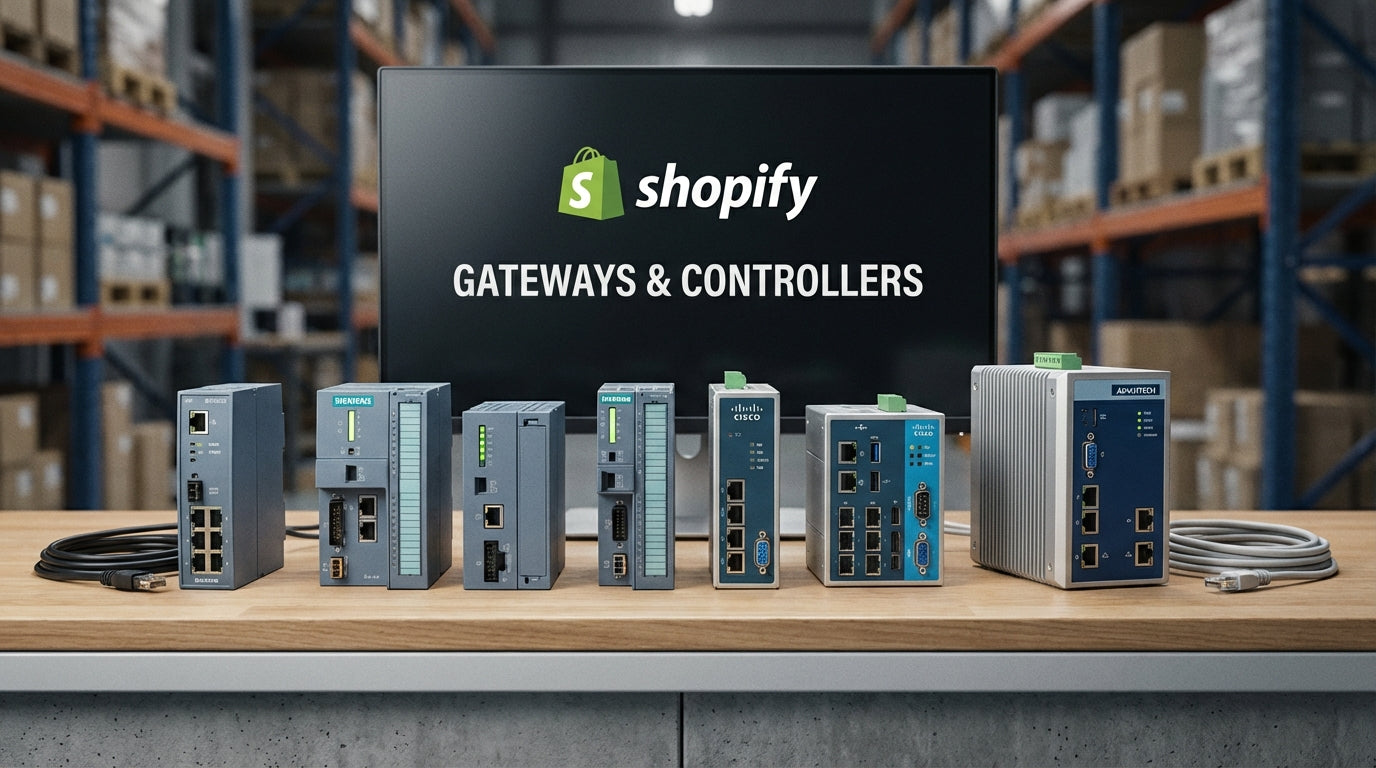
Ready to explore network infrastructure options? Browse our comprehensive Gateways/Controllers range at Tecisoft, where you'll find solutions from leading vendors designed to support growing businesses with reliable, secure connectivity.
Ready to find the right solutions for your needs?
Explore Collection