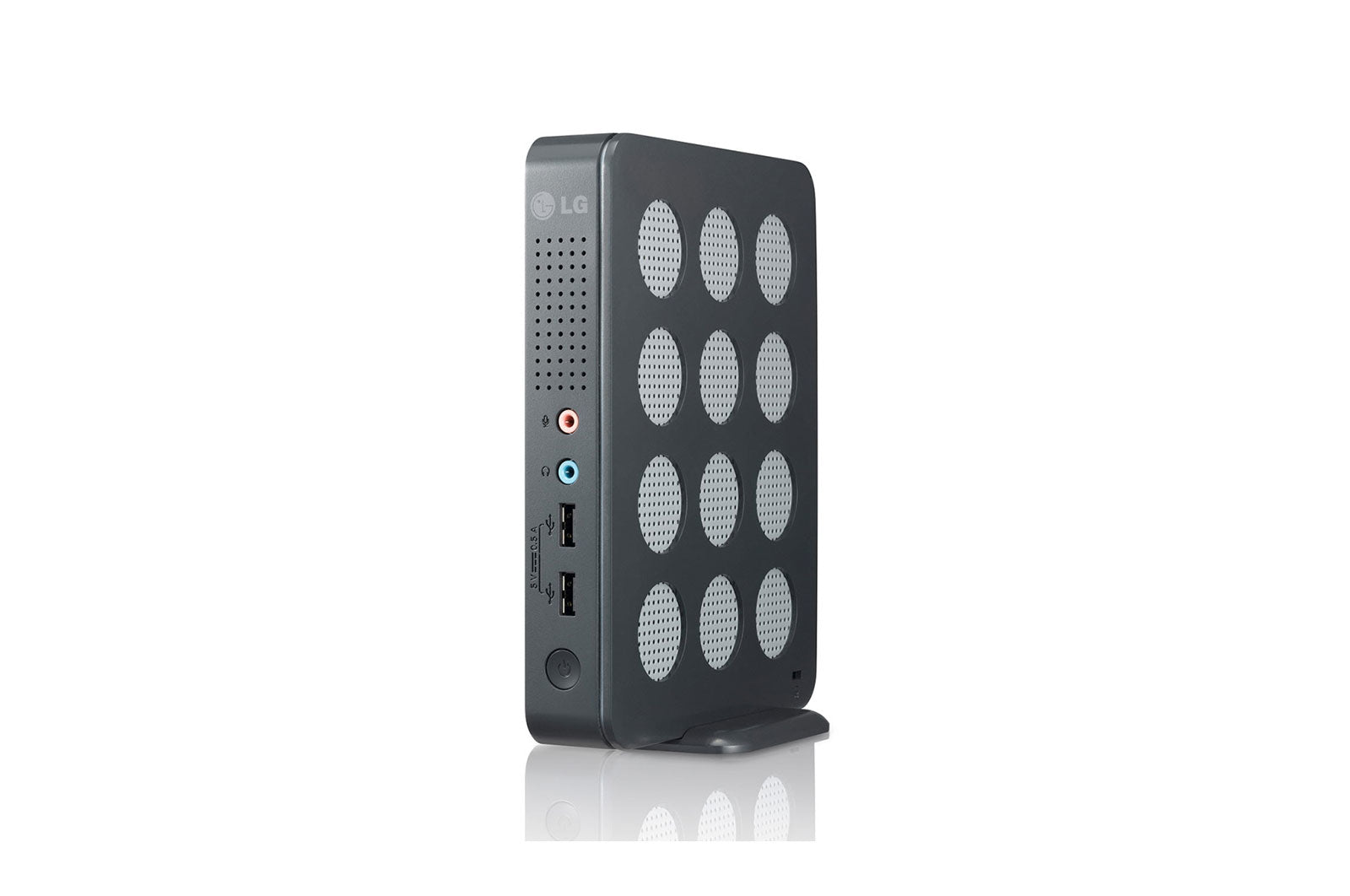
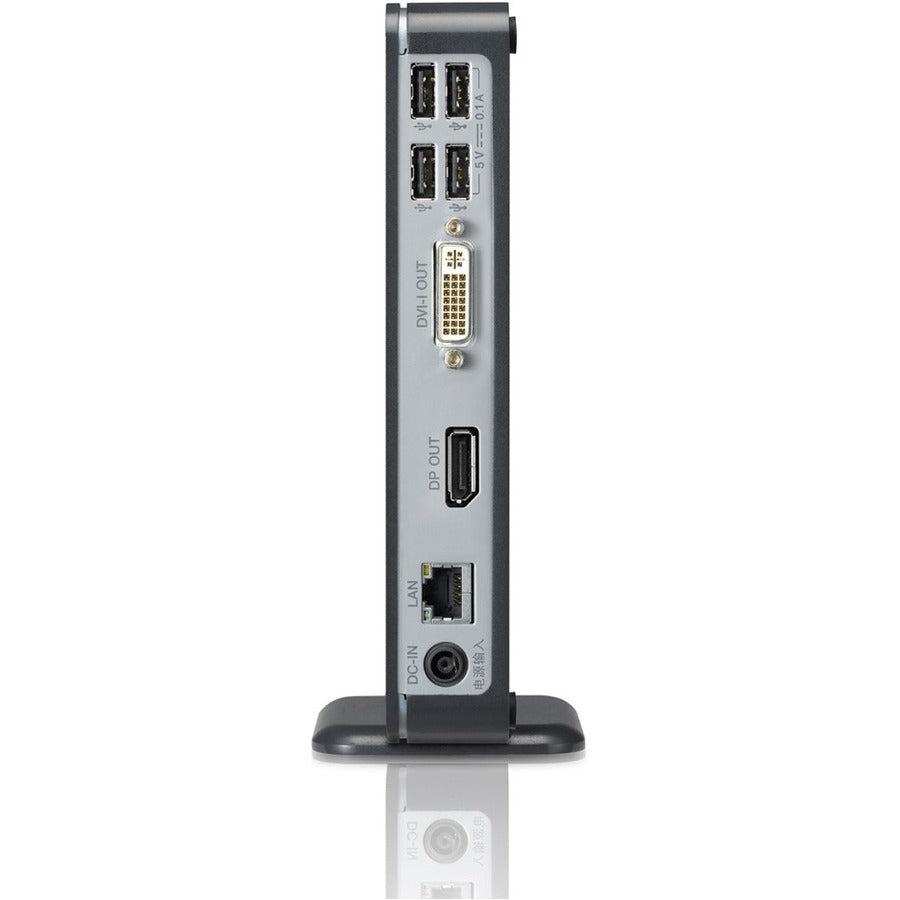
This zero client box type solution is perfect for enterprises who need secure, centralized desktop virtualization. Our micro desktop computer delivers exceptional performance for virtual desktop infrastructure deployments:
-
Enterprise VDI solution that eliminates local processing vulnerabilities
-
PCoIP technology for superior remote desktop performance
-
Teradici TERA2321 processor ensuring optimized virtual desktop delivery
-
Cloud computing compatibility for seamless datacenter integration
Key Features
-
Zero client architecture to maximize security and reduce IT overhead
-
PCoIP protocol support for high-performance virtual desktop access
- Optimized for virtual desktop infrastructure environments
- Consistent enterprise desktop performance across distributed locations
-
Centralized management capability to streamline IT operations
Technical Specifications
| Manufacturer |
LG Electronics |
| Model Number |
CBV42-BP |
| Type |
Box Type Zero Client |
| Processor |
Teradici TERA2321 PCoIP Processor |
| Protocol |
PCoIP (PC-over-IP) |
| Form Factor |
Compact Desktop Design |
| Compatible Systems |
VMware Horizon, Citrix Virtual Apps, AWS WorkSpaces |
Frequently Asked Questions
Q: What is a zero client and how does it differ from a thin client?
A: A zero client box type device has no local operating system or processing capabilities, providing maximum security by processing all applications remotely through virtual desktop infrastructure.
Q: Is the CBV42-BP compatible with major VDI platforms?
A: Yes, it's engineered for enterprise VDI solutions and works seamlessly with VMware Horizon, Citrix Virtual Apps, and cloud-based virtual desktop services.
Q: What performance benefits does PCoIP technology provide?
A: PCoIP protocol delivers superior desktop performance with optimized bandwidth usage, encrypted transmission, and support for high-resolution displays — perfect for demanding enterprise applications.
Q: Does this zero client meet enterprise security requirements?
A: Yes. The zero client architecture eliminates local data storage and processing vulnerabilities, ensuring all sensitive data remains centralized in your secure datacenter environment.