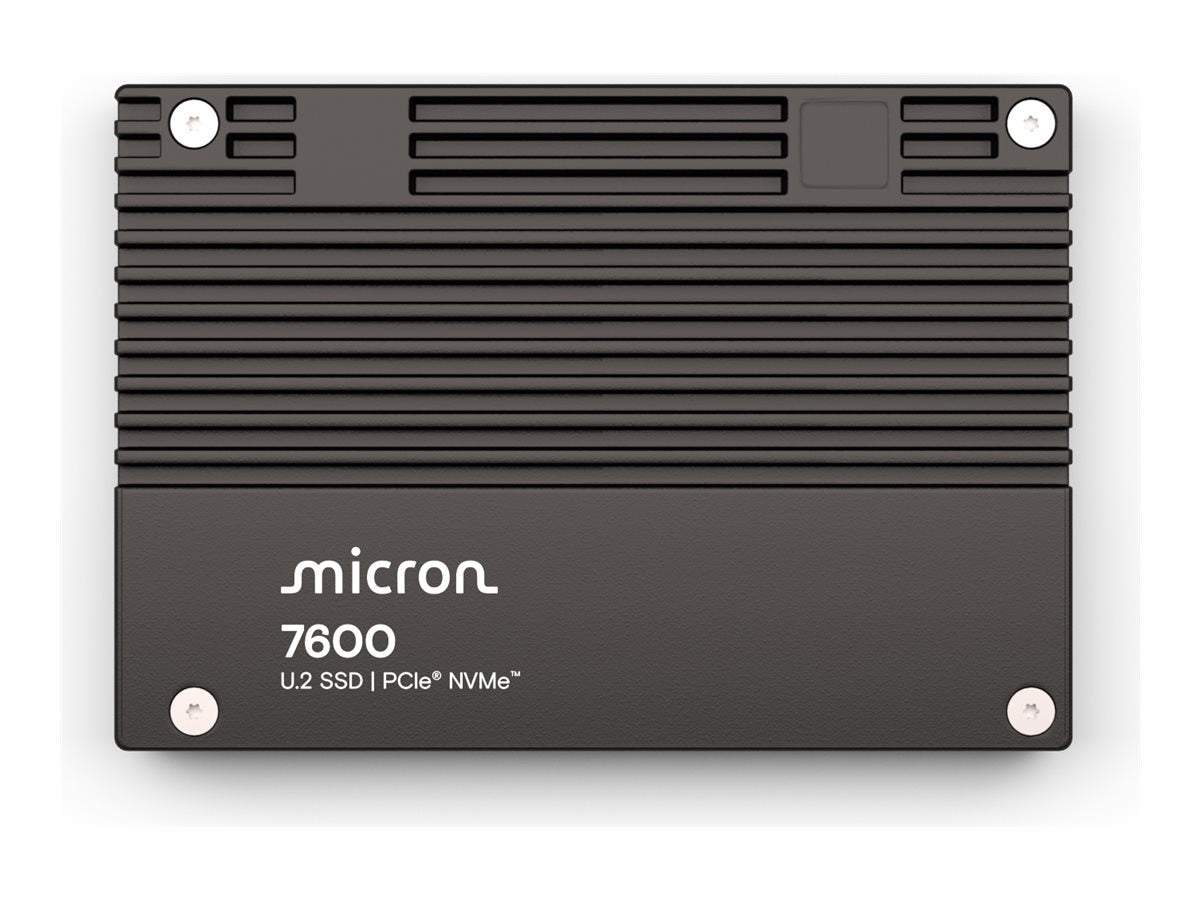
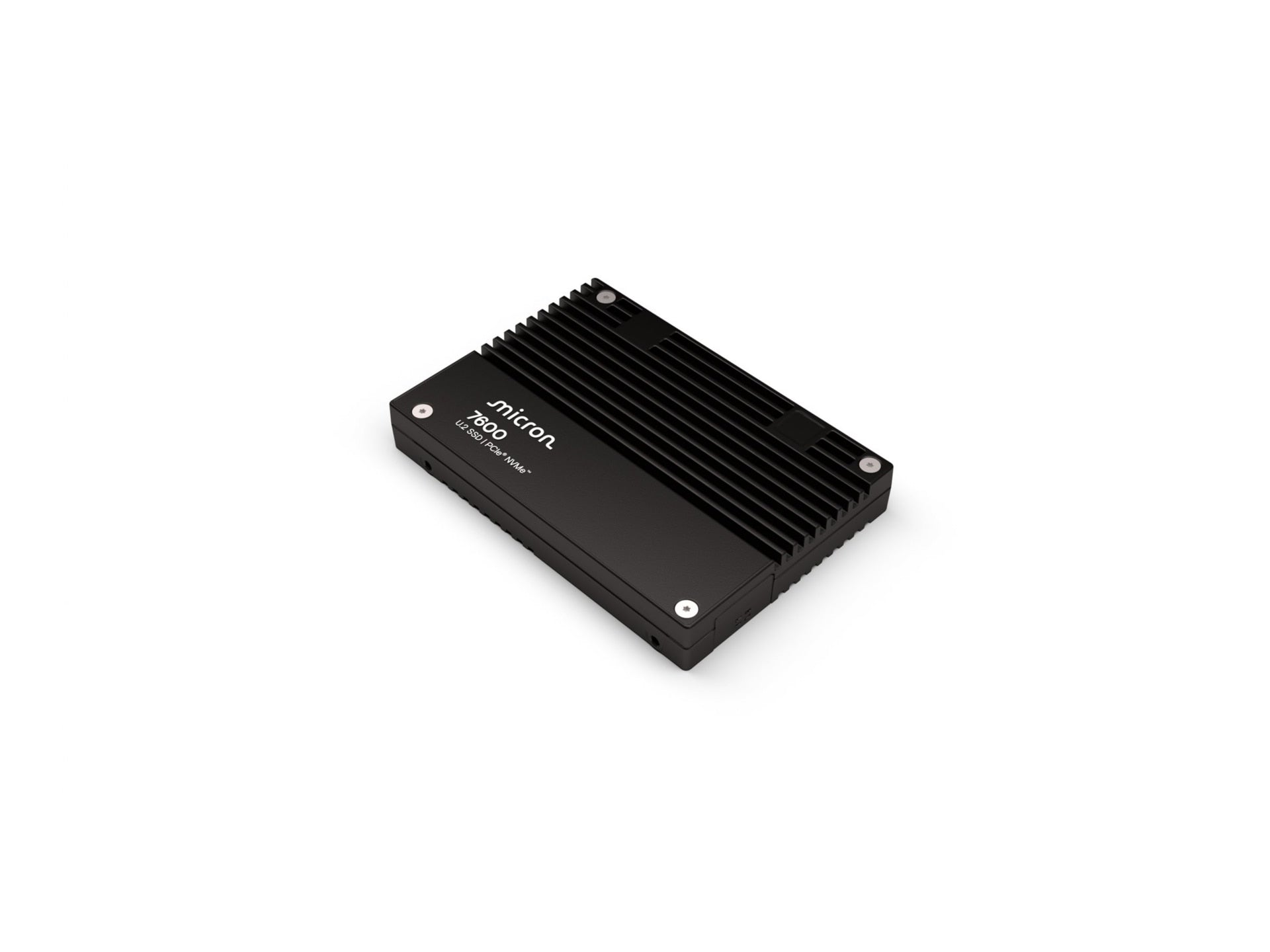
The MICRON U.2 SSD with 15.36TB capacity is engineered for demanding enterprise environments, delivering high performance and dependable reliability for data-heavy workloads.
-
Capacity: 15.36TB of raw storage designed for large-scale databases, virtualization, and analytics.
-
Interface: PCIe 5.0 x4 with NVMe for ultra-fast data transfer and low latency.
-
Form Factor: U.2, compatible with modern server architectures and hot-swap bays.
-
Durability: Enterprise-grade reliability built to sustain continuous operation in data centers.
-
Warranty & Support: 5-year comprehensive service and support from Micron.
-
Part Number: MTFDLAL15T3THG-1BP1DFCYYR
This solid-state drive (SSD) is designed to keep critical workloads responsive, reducing bottlenecks in databases, large-scale analytics, and virtualized environments. With Micron’s proven enterprise storage expertise behind it, you gain predictable performance and long-term dependability that data-center operators can rely on.
Specs
-
Capacity: 15.36TB
-
Interface: PCIe 5.0 x4, NVMe
-
Form Factor: U.2
-
Warranty: 5 years
-
Brand: Micron
FAQ
-
Q: What workloads is the MICRON U.2 15.36TB SSD best suited for?
A: It excels in data-intensive environments such as large databases, data warehousing, virtualization, analytics, and AI inference where high throughput and reliable operation matter most.
-
Q: Is the U.2 form factor compatible with typical data-center servers?
A: Yes. U.2 drives are designed for modern servers with PCIe interfaces and hot-swap bays, provided the server supports PCIe 5.0 x4 NVMe devices.
-
Q: What does the 5-year warranty cover?
A: The warranty covers enterprise-grade reliability and service options from Micron for the drive's lifespan, ensuring replacement or repair as needed under standard terms.
-
Q: How does PCIe 5.0 x4 NVMe benefit my system?
A: PCIe 5.0 x4 delivers higher bandwidth and lower latency than previous generations, helping to accelerate data-intensive workloads and reduce I/O bottlenecks.
-
Q: Why choose 15.36TB capacity?
A: The large capacity reduces the need for frequent expansions, supports growing datasets, and enables more data to stay on fast storage for quicker access and analysis.