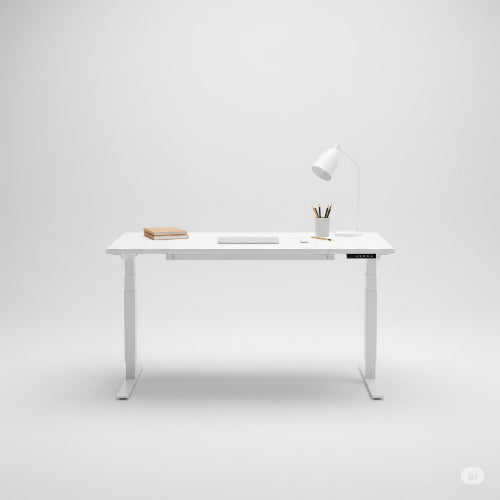
Stand Up for Productivity: How to Master Your Sit/Stand Desk for Peak Performance
In the modern office, the sit/stand desk has moved beyond being a trendy gadget and evolved into a powerful tool for well-being and productivity. Far from just reducing the negative effects of prolonged sitting, strategically using a sit/stand desk can actually enhance your focus, energy levels, and overall output. But simply having one isn't enough – it's about learning how to utilize it effectively.
Here’s how to unlock the full potential of your sit/stand desk to boost your productivity:
1. Start Slowly and Build Up
Don't expect to stand for eight hours straight on day one. Your body needs time to adjust.
- Ease In: Begin with short standing intervals, perhaps 15-30 minutes every hour or two.
- Listen to Your Body: If you feel discomfort, switch back to sitting. The goal is to feel better, not worse.
- Gradual Increase: Gradually increase your standing time as your body adapts. Aim for a mix, typically 30-60 minutes standing for every 60-90 minutes of sitting.
2. Find Your Ideal Heights
Correct ergonomic setup is crucial whether sitting or standing.
- Sitting Height: Adjust your chair so your feet are flat on the floor (or a footrest), knees at about a 90-degree angle. Your forearms should be parallel to the floor, with wrists straight, when typing.
- Standing Height: When standing, your elbows should still be bent at a 90-degree angle, with wrists straight, when typing on your keyboard. Your monitor should be at eye level (top of the screen slightly below).
- Program Presets: Many electric sit/stand desks have memory presets. Save your ideal sitting and standing heights for quick and accurate transitions.
3. Embrace the Movement (Don't Just Stand Still)
The benefit comes from alternating positions and subtle movement.
- Shift Your Weight: While standing, shift your weight from foot to foot, rock slightly, or take a mini-stretch.
- Use an Anti-Fatigue Mat: A good anti-fatigue mat can significantly reduce strain on your feet, legs, and back when standing for extended periods. It encourages subtle micro-movements.
- Walk During Calls: If possible, take phone calls while pacing slightly around your office or designated workspace.
4. Link Activities to Positions
Associate certain tasks with certain positions to build habits.
-
Standing Activities:
- Calls/Meetings: Stand during virtual or phone meetings to increase engagement and energy.
- Brainstorming/Creative Work: Standing can boost alertness and creative thinking.
- Short Tasks: Use standing for quick emails, reviewing documents, or administrative tasks that don't require deep focus.
-
Sitting Activities:
- Deep Focus Work: Return to sitting for tasks that require sustained concentration, like complex coding, writing long reports, or detailed analysis.
- Relaxation: Sit for breaks, lunch, or less intensive tasks.
5. Set Reminders
It's easy to get absorbed in work and forget to switch positions.
- Timers: Use a simple timer, an app, or your desk's built-in reminder system to prompt you to switch between sitting and standing.
- Scheduled Breaks: Combine your sit/stand transitions with scheduled breaks for stretching or grabbing a glass of water.
6. Keep Ergonomics Consistent
The principles of good posture apply whether you're sitting or standing.
- Monitor Eye-Level: Ensure the top of your screen is at or slightly below eye level in both positions.
- Neutral Wrists: Keep your wrists straight, not bent up or down, when typing or mousing.
- Relaxed Shoulders: Avoid shrugging your shoulders. They should be relaxed and down.
The Productivity Payoff:
Utilizing a sit/stand desk effectively isn't just about avoiding back pain. It's about enhancing your work experience:
- Increased Energy & Alertness: Alternating positions can prevent the afternoon slump and keep your mind sharper.
- Improved Focus: Some studies suggest that movement can aid concentration.
- Better Mood: Physical movement and reduced discomfort often lead to a more positive outlook.
- Enhanced Blood Flow: Regular movement promotes better circulation, benefiting overall health.
Your sit/stand desk is a powerful tool. By integrating it thoughtfully into your workday and prioritizing consistent movement, you'll unlock not just ergonomic benefits but a significant boost in your daily productivity and well-being.