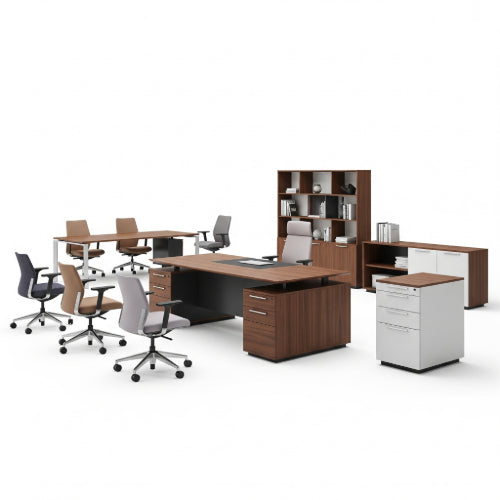
Beyond Aesthetics: How to Improve Your Office Setup with the Right Furniture
When setting up or revamping an office, it's easy to get caught up in aesthetics – the perfect paint color, the inspiring artwork, or the trendy decor. While these elements certainly contribute to a positive atmosphere, the true backbone of an efficient, healthy, and productive workspace lies in one often-underestimated aspect: office furniture.
The right furniture isn't just about looking good; it's about supporting your body, streamlining your workflow, and fostering an environment where ideas can flourish. Investing wisely in your office setup can lead to reduced discomfort, increased focus, and a significant boost in overall productivity.
Let's explore how to choose the right office furniture to transform your workspace.
1. The Ergonomic Chair: Your Foundation for Comfort and Health
If there's one piece of furniture to splurge on, it's your office chair. A poor chair can lead to back pain, neck strain, fatigue, and even long-term health issues. An ergonomic chair, on the other hand, is designed to support your body's natural posture.
Key features to look for:
- Adjustable Lumbar Support: Crucial for supporting the natural curve of your lower back.
- Seat Height Adjustment: Allows your feet to be flat on the floor (or on a footrest) with your knees at a 90-degree angle.
- Armrests: Adjustable height and pivot to support your arms and shoulders, reducing strain.
- Seat Depth Adjustment: Ensures proper thigh support, preventing pressure behind the knees.
- Tilt and Tension Control: Allows you to recline comfortably and adjust the resistance.
- Breathable Material: Especially important for long hours of sitting.
Benefit: Reduced musculoskeletal discomfort, increased focus, and better long-term health.
2. The Adjustable Desk: Sit, Stand, Thrive
The "sitting is the new smoking" adage has gained traction for a reason. Prolonged sitting can be detrimental to health. An adjustable-height desk (or standing desk) allows you to seamlessly switch between sitting and standing throughout the day.
Key features to look for:
- Electric vs. Manual: Electric desks offer easy, smooth height adjustments with the push of a button, often with memory presets. Manual (crank or pneumatic) are more budget-friendly but less convenient.
- Stability: Ensure the desk is sturdy at its highest setting, especially if you have multiple monitors.
- Size: Large enough to comfortably accommodate your monitors, keyboard, mouse, and other essentials without feeling cramped.
Benefit: Improved circulation, reduced back pain, increased energy levels, and enhanced focus.
3. Smart Storage Solutions: Conquer Clutter, Boost Efficiency
A cluttered desk leads to a cluttered mind. Effective storage solutions are essential for maintaining an organized and productive workspace.
Key solutions:
- Filing Cabinets (Mobile or Fixed): For physical documents that need to be archived or frequently accessed. Mobile cabinets (on casters) offer flexibility.
- Shelving Units: Open shelves are great for books, binders, and decorative items. Closed cabinets keep visual clutter to a minimum.
- Drawer Units/Pedestals: For smaller items, stationery, and personal belongings. Look for units that fit neatly under your desk.
- Wall-Mounted Organizers: Utilize vertical space for whiteboards, cork boards, or small shelves, especially in compact offices.
Benefit: Reduced distractions, easier access to materials, and a more professional appearance.
4. Strategic Lighting: See Clearly, Work Better
Often an afterthought, proper lighting is crucial for eye health and focus. Relying solely on overhead room lighting can cause glare and shadows.
Key considerations:
- Task Lighting: A good desk lamp provides direct illumination where you need it most, reducing eye strain. Look for adjustable brightness and color temperature.
- Natural Light: Position your desk to maximize natural light without causing screen glare.
- Avoid Glare: Position monitors to minimize reflections from windows or overhead lights.
Benefit: Reduced eye fatigue, improved mood, and better concentration.
5. Office Layout and Flow: Creating a Cohesive Space
Beyond individual pieces, think about how the furniture interacts within your office layout:
- Traffic Flow: Ensure there's enough space to move around comfortably without bumping into furniture.
- Zones: Consider creating distinct zones for different tasks (e.g., a quiet zone for focused work, a collaborative area for team discussions, a relaxation corner).
- Cable Management: Integrate cable trays, grommets, or channels to keep wires tidy and out of sight.
Conclusion: Invest in Your Workspace, Invest in Your Success
Your office furniture is more than just utilitarian items; they are tools that directly impact your well-being and productivity. By thoughtfully selecting ergonomic chairs, adjustable desks, smart storage, and appropriate lighting, you're not just buying furniture – you're investing in a healthier, more efficient, and more enjoyable work environment. Take the time to assess your needs, and build an office setup that truly supports your success.