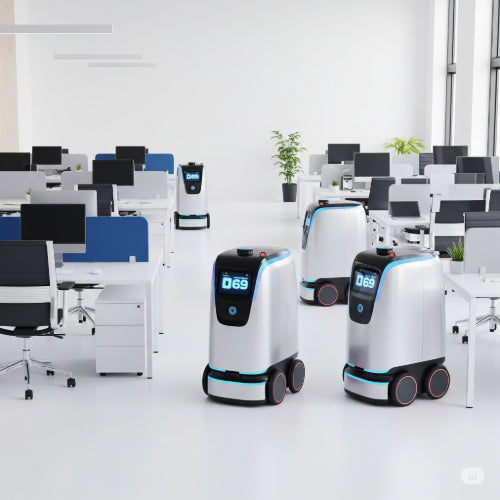
The Quiet Revolution: Autonomous Delivery Robots Reshape Modern Offices
The modern office is a dynamic hub of activity, a place where efficiency and innovation are constantly sought after. In this pursuit, a new breed of silent, tireless workers is emerging: autonomous delivery robots. Once a futuristic concept, these intelligent machines are now rolling through corridors and up elevators, quietly revolutionizing how goods, documents, and even meals move within the workplace.
The integration of autonomous delivery robots into office environments isn't just about novelty; it's about addressing real-world challenges and unlocking significant benefits. From streamlining internal logistics to enhancing employee well-being, these robots are proving to be invaluable assets.
How Do They Work Their Magic?
At their core, autonomous delivery robots leverage a sophisticated blend of technologies to navigate complex indoor spaces. Equipped with an array of sensors – including LiDAR, cameras, and ultrasonic sensors – they create detailed maps of their surroundings. AI-powered software acts as their "brain," allowing them to:
-
Navigate independently: They can plot the most efficient routes, avoid obstacles (human or otherwise), and even ride elevators, often integrating with building management systems.
-
Identify and interact: Some robots can identify designated drop-off and pick-up points, and with secure compartments, they ensure deliveries are made safely and confidentially.
-
Communicate: Through app notifications and sometimes even verbal cues, they can inform recipients of their arrival, making the delivery process seamless.
The Benefits Rolling In
The impact of these robotic couriers on office productivity and operations is multifaceted:
-
Enhanced Efficiency: Repetitive tasks like delivering mail, supplies, or inter-office documents can consume valuable employee time. Robots handle these routine jobs with precision and speed, freeing up human staff to focus on more complex, higher-value work. They operate tirelessly, 24/7, without breaks or sick days.
-
Increased Productivity: By eliminating the need for employees to leave their desks for deliveries or pick-ups, these robots directly contribute to more focused work hours. This stability in labor and utilization ensures smoother operations and optimized workflows.
-
Cost Savings: While the initial investment in robotic systems can be significant, the long-term cost savings are compelling. Reducing the need for manual handling staff and streamlining logistics can lead to a notable decrease in operational expenses.
-
Improved Safety and Hygiene: In an increasingly health-conscious world, autonomous robots offer contactless delivery, minimizing human interaction and potential germ transmission, particularly for items like food or medical supplies in relevant office settings.
-
Streamlined Processes: Robots contribute to better operational workflows and more precise data collection. This allows businesses to make more informed, data-driven decisions regarding inventory management and overall logistics.
-
Enhanced User Experience: For employees, the convenience of having items delivered directly to their workspace, often with real-time tracking and easy retrieval codes, significantly improves their daily experience. Imagine fresh coffee or a much-needed file arriving right at your desk!
Real-World Glimpses
While still a developing field, autonomous delivery robots are already making their mark in various workplaces. In some large office complexes, fleets of robots are responsible for delivering takeout orders and parcels to thousands of professionals. There are examples of robots collecting food from lobby drop-off points or internal cafeterias and autonomously navigating to individual offices, reducing wait times and improving employee satisfaction.
The Road Ahead
The future of autonomous delivery robots in offices looks incredibly promising. As AI and machine learning continue to advance, these robots will become even more sophisticated, capable of learning from experience, adapting to new situations, and making increasingly complex decisions. Their integration with IoT and edge computing will lead to improved real-time decision-making and situational awareness.
However, challenges remain, including ensuring seamless integration with diverse building infrastructures, addressing potential cybersecurity concerns, and navigating regulatory frameworks. The conversation around job displacement is also ongoing, emphasizing the need to focus on how robots can complement human work, allowing people to focus on higher-skilled, more creative tasks.
Ultimately, autonomous delivery robots are poised to redefine workplace logistics, making offices smarter, safer, and undeniably more efficient. As they quietly roll into our professional lives, they herald a new era of productivity and convenience, transforming the very fabric of the modern office.