The Future of Remote Work: Trends and the Evolving Tech Needs of the Office (Wherever That Is)
The world of work has undergone a seismic shift in recent years, forever altering our perception of the traditional office. Remote work, once a niche perk, is now a fundamental pillar of many business models, and its evolution continues at a rapid pace. As we look ahead, a clear picture emerges: flexibility is paramount, geographical boundaries are dissolving, and technology is the undisputed enabler of this new era.
Key Trends Shaping the Remote Work Landscape
The future of remote work isn't a static concept; it's a dynamic environment shaped by several powerful trends:
-
Hybrid Work Models Become the Norm: The "all-or-nothing" approach to remote work is giving way to hybrid models. Businesses are seeking to balance the autonomy and flexibility of remote work with the collaborative energy and cultural benefits of in-person interactions. This means employees might work from home for part of the week and come into a central office for specific team meetings, brainstorming sessions, or social events.
-
Globalization of the Workforce: Remote work has shattered geographical limitations, allowing companies to tap into a truly global talent pool. This means businesses can hire the best individuals regardless of their location, leading to more diverse teams, specialized skill sets, and potentially lower operational costs.
-
Emphasis on Employee Well-being and Mental Health: As remote work becomes more ingrained, organizations are increasingly recognizing the importance of supporting the holistic well-being of their distributed teams. This includes providing resources for mental health, promoting work-life balance, and fostering a sense of connection and belonging despite physical distance.
-
AI and Automation Integration: Artificial Intelligence (AI) and automation are not just buzzwords; they are becoming integral to streamlining remote workflows. AI-powered tools assist with everything from scheduling and data analysis to automating repetitive tasks, freeing up remote workers to focus on higher-value, creative, and strategic work.
-
Immersive Collaboration Technologies: Beyond standard video calls, the future of remote collaboration will be increasingly immersive. Virtual reality (VR) and augmented reality (AR) are poised to create more engaging and "presence-rich" meeting experiences, bridging the gap between remote and in-person interactions.
-
Focus on Cybersecurity and Data Protection: With distributed workforces, the attack surface for cyber threats expands. Businesses are heavily investing in robust cybersecurity measures, including multi-factor authentication, zero-trust security models, advanced encryption, and comprehensive employee training, to protect sensitive data across various locations and devices.
-
Outcome-Based Performance Management: The traditional focus on "hours spent" is being replaced by outcome-based metrics. Remote work necessitates a shift towards evaluating employees based on their deliverables, impact, and results, fostering greater trust and autonomy.
The Evolving Office Tech Needs for Remote Work
To thrive in this evolving landscape, businesses and their employees need a robust and intelligent technology ecosystem. The "office" is no longer just a physical building; it's a dynamic, interconnected network of individuals and devices, and the tech needs reflect this:
1. Seamless Communication & Collaboration Tools:
-
Unified Communication Platforms: Integrated solutions like Microsoft Teams, Slack, and Google Workspace that combine instant messaging, video conferencing, file sharing, and project management are essential for real-time and asynchronous collaboration.
-
Advanced Video Conferencing Hardware/Software: High-quality cameras, microphones, and intelligent meeting room solutions (for hybrid scenarios) that ensure everyone, regardless of location, feels seen and heard. AI features like real-time transcription, smart summaries, and noise cancellation are becoming standard.
-
Digital Whiteboards and Visual Collaboration Tools: Platforms like Miro or Mural allow remote teams to brainstorm, strategize, and visualize ideas interactively, mimicking the experience of a physical whiteboard.
2. Robust Connectivity and Infrastructure:
-
Reliable High-Speed Internet: A non-negotiable. Businesses need to ensure their remote employees have access to stable, fast internet connections.
-
Secure Remote Access (VPNs, ZTNA): Virtual Private Networks (VPNs) and Zero Trust Network Access (ZTNA) solutions are crucial for providing secure access to company resources and applications, protecting sensitive data.
-
Cloud Computing and Storage: Cloud-based applications and storage (e.g., Google Drive, OneDrive, Dropbox) are fundamental for accessibility, real-time collaboration on documents, and data security, reducing the reliance on on-premise infrastructure.
3. Enhanced Security Measures:
-
Endpoint Protection: Comprehensive antivirus, anti-malware, and endpoint detection and response (EDR) solutions on all devices accessing company data.
-
Multi-Factor Authentication (MFA): Adding layers of security beyond just passwords for all logins.
-
Employee Training: Regular training on cybersecurity best practices, phishing awareness, and data handling protocols.
4. Productivity and Project Management Software:
-
Project Management Platforms: Tools like Asana, Trello, ClickUp, or Monday.com are vital for organizing tasks, tracking progress, assigning responsibilities, and managing deadlines across distributed teams.
-
AI-Powered Productivity Tools: AI assistants for scheduling, email management, drafting content, and providing insights to streamline daily tasks.
5. Ergonomic and Personal Hardware:
-
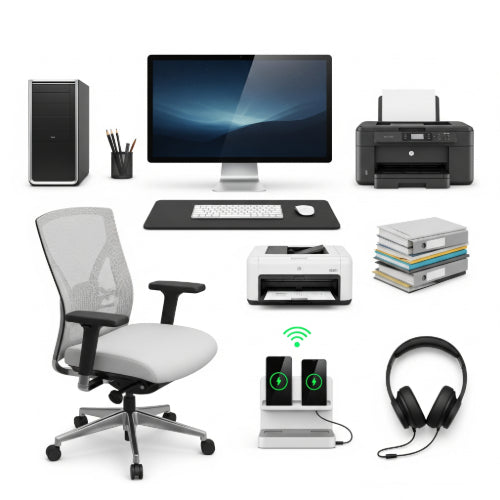
Ergonomic Workstations: Encouraging or providing ergonomic chairs, adjustable desks, and external monitors for remote employees to ensure comfort and prevent health issues.
-
High-Quality Peripherals: Reliable webcams, headsets with noise-canceling microphones, and potentially external keyboards and mice can significantly enhance the remote work experience.
The future of remote work is about flexibility, empowerment, and seamless connectivity. By strategically investing in the right technologies and adapting to emerging trends, businesses can build resilient, productive, and engaged workforces, no matter where their "office" truly resides.