Keep Your Tech Cool and the Planet Cooler: Sustainable Cooling Solutions for Electronics and Servers!
The global climate presents unique challenges for keeping our electronics and servers running efficiently. Heat and humidity can lead to overheating, impacting performance, shortening lifespan, and increasing energy consumption. As we become more reliant on technology, finding sustainable cooling solutions is not just an option – it's a necessity for both our wallets and the environment.
The Heat is On: Why Sustainable Cooling Matters
Traditional cooling methods, often relying heavily on air conditioning, consume significant amounts of energy and contribute to greenhouse gas emissions. Adopting sustainable alternatives offers numerous benefits:
-
Reduced Energy Consumption: Lower electricity bills and a smaller carbon footprint.
-
Extended Equipment Lifespan: Consistent temperatures prevent overheating, leading to more durable electronics and servers.
-
Improved Performance: Cooler components operate more efficiently and reliably.
-
Environmental Responsibility: Contributing to a greener future globally.
Innovative and Sustainable Cooling Solutions:
Fortunately, there's a growing array of eco-friendly options for keeping your valuable tech cool:
1. Optimized Airflow and Ventilation:
Often, the simplest solutions are the most effective.
-
Proper Placement: Ensure electronics and servers have adequate space around them for air to circulate freely. Avoid placing them in direct sunlight or enclosed, poorly ventilated areas.
-
Dust Management: Regularly clean fans and vents to prevent dust buildup, which can impede airflow and reduce cooling efficiency.
-
Strategic Ventilation: In larger setups like server rooms, consider implementing hot aisle/cold aisle containment strategies to direct airflow and prevent the mixing of hot and cold air. Even simple exhaust fans can make a difference in a confined space.
2. Natural Cooling Methods:
Leveraging the natural environment can be surprisingly effective.
-
Passive Cooling Techniques: Designing spaces with natural ventilation in mind, utilizing cross-breezes and shading to minimize heat buildup. This is particularly relevant for office spaces housing standard electronics in warm climates.
-
Evaporative Cooling (Swamp Coolers): In drier climates, evaporative coolers can be energy-efficient. However, humidity levels need careful consideration.
3. Advanced and Targeted Cooling Technologies:
For more demanding applications like servers, targeted cooling can be highly efficient.
-
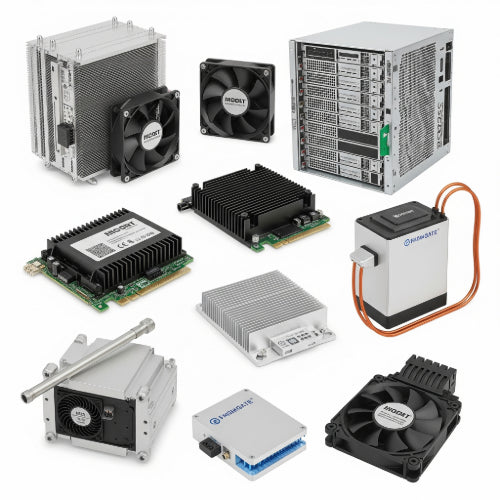
Liquid Cooling: Directing cooling liquid to heat-generating components like CPUs and GPUs offers superior heat removal compared to air. While more complex to implement, it can significantly reduce energy consumption and noise, especially in server setups within businesses.
-
Immersion Cooling: Submerging servers in a dielectric fluid provides highly efficient and uniform cooling, allowing for higher density computing and reduced energy use. This technology is gaining traction for high-performance computing.
4. Smart Monitoring and Control Systems:
Optimizing cooling requires understanding your thermal environment.
-
Temperature and Humidity Sensors: Monitoring conditions allows you to identify hotspots and adjust cooling strategies accordingly.
-
Smart Thermostats and Fan Controllers: Automating cooling based on real-time data ensures energy is only used when and where it's needed. This can be beneficial even for home office setups.
5. Location and Building Design:
For larger installations, the physical environment plays a crucial role.
-
Strategic Site Selection: Choosing locations with cooler ambient temperatures can reduce cooling demands.
-
Green Building Design: Incorporating insulation, reflective roofing, and natural shading into building design minimizes heat gain.
Implementing Sustainable Cooling:
For individuals and small businesses, starting with simple steps like proper ventilation, dust management, and strategic placement can make a noticeable difference. For businesses operating server rooms, exploring more advanced solutions like targeted air cooling or even liquid cooling might be worthwhile for long-term energy savings and equipment reliability in warm climates.
By embracing these sustainable cooling solutions, we can keep our electronics and servers running smoothly while also contributing to a more environmentally responsible future. Let's beat the heat the smart and sustainable way!