How Rack Cabinets Revolutionized Space Optimization in a Large Data Center
In the world of large-scale data centers, every square foot counts. As demand for data storage and processing continues to skyrocket, the challenge of efficiently housing an ever-growing array of servers, networking equipment, and infrastructure becomes paramount. For one particular large data center, facing the common hurdles of limited space and escalating operational costs, the implementation of well-designed rack cabinets proved to be a transformative solution, significantly optimizing their physical footprint and streamlining operations.
Before the overhaul, this data center, like many others, grappled with a haphazard arrangement of equipment. Servers were often stacked, cabling was a tangled mess, and airflow was far from ideal. This not only created a chaotic environment but also led to several critical inefficiencies:
- Wasted Space: Equipment was spread out, leaving significant unused areas between devices.
- Poor Airflow: Inconsistent spacing and blocked pathways hindered proper cooling, leading to hot spots and increased energy consumption for cooling.
- Maintenance Nightmares: Troubleshooting and routine maintenance were time-consuming and difficult due to the disorganized layout.
- Scalability Limitations: Adding new equipment was a complex undertaking, often requiring a complete reshuffle of existing infrastructure.
The decision to standardize on high-quality rack cabinets was a game-changer. Here's how they addressed these challenges and brought about remarkable improvements:
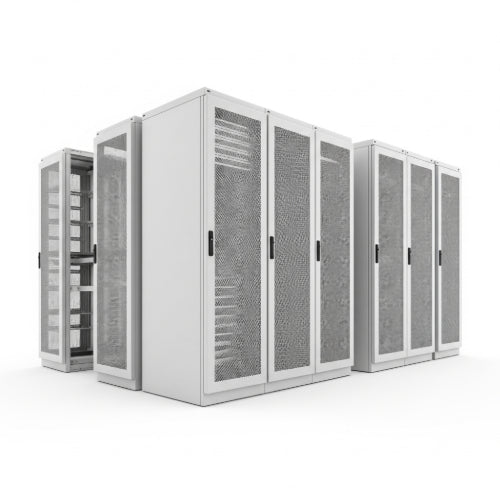
1. Maximizing Vertical Real Estate: Rack cabinets, by their very nature, are designed to leverage vertical space. This data center opted for taller cabinets, allowing them to stack more equipment within a smaller floor area. This immediate increase in density meant they could house significantly more servers and network devices without expanding their physical building.
2. Organized and Efficient Cabling: Modern rack cabinets come equipped with integrated cable management features such as routing channels, tie-down points, and patch panels. By utilizing these features, the data center transformed its spaghetti-like cabling into a neat, organized system. This not only improved aesthetics but also had a profound impact on airflow (no more blocked vents!) and made identifying and troubleshooting connections infinitely easier.
3. Enhanced Airflow and Cooling Efficiency: The structured environment of rack cabinets allowed for a more predictable and controlled airflow. With consistent spacing between equipment and dedicated pathways for hot and cold air, the data center was able to implement a more effective hot aisle/cold aisle containment strategy. This significantly improved cooling efficiency, reduced the reliance on supplemental cooling units, and ultimately lowered their energy bills.
4. Simplified Maintenance and Troubleshooting: With equipment neatly organized and labeled within each cabinet, technicians could quickly locate and access specific servers or networking components. This drastic reduction in search time translated into faster troubleshooting, quicker repairs, and less downtime – critical factors for any large data center.
5. Seamless Scalability: The modular nature of rack cabinets made future expansion much simpler. As the data center needed to add more capacity, they could simply install new pre-configured cabinets, knowing they would seamlessly integrate with the existing infrastructure and maintain the optimized layout. This eliminated the need for disruptive reconfigurations.
The Bottom Line:
For this large data center, the investment in high-quality rack cabinets wasn't just about buying metal enclosures; it was about investing in a foundational element of their infrastructure that unlocked significant efficiencies. By optimizing vertical space, streamlining cabling, improving airflow, simplifying maintenance, and enabling seamless scalability, rack cabinets proved to be an indispensable tool in their journey towards a more efficient, cost-effective, and future-proof data center operation. The results were clear: a denser, cooler, and more manageable environment that positions them well for continued growth in the digital age.