Go Green, Save Green: How Digital Signage Slashes Business Costs and Paper Waste
In today's fast-paced business environment, efficiency and sustainability are paramount. Companies are constantly seeking innovative ways to optimize operations, reduce expenses, and minimize their environmental impact. One powerful tool that addresses both these needs is digital signage.
Moving away from traditional paper-based signage towards dynamic digital displays offers a multitude of benefits, most notably significant cost reductions and a substantial decrease in paper waste. Let's explore how:
Cutting Costs with Digital Signage:
- Eliminates Printing and Distribution Expenses: The most obvious cost saving comes from ditching paper-based signs, posters, and banners. No more expenses for printing materials (paper, ink), design revisions requiring new print runs, or the labor and resources involved in distributing and installing physical signage across different locations.
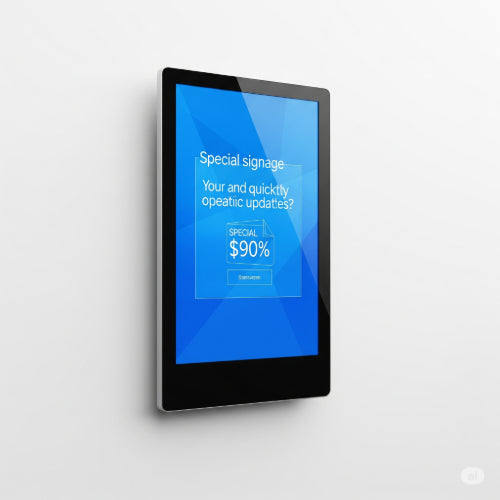
- Reduces Labor Costs: Updating static signs often requires staff time to physically remove old materials and install new ones. Digital signage allows for instant content updates remotely, saving valuable employee time that can be allocated to more strategic tasks. Scheduling content changes in advance further streamlines operations.
- Lower Marketing and Advertising Spend: Digital signage offers dynamic and engaging advertising opportunities in your own physical spaces. This can reduce the need for external advertising through printed flyers, brochures, or newspaper ads, leading to significant savings in your marketing budget.
- Increases Sales and Customer Engagement: Eye-catching digital displays can effectively promote products, services, and special offers, leading to increased customer engagement and potentially higher sales. While not a direct cost cut, this revenue generation can offset the initial investment in digital signage and improve overall profitability.
- Energy Efficiency of Modern Displays: While digital displays consume electricity, advancements in technology, particularly with LED backlighting, mean that modern digital signage is increasingly energy-efficient. When compared to the ongoing costs of printing and distributing paper materials, the energy consumption of digital signage can often be less impactful financially and environmentally in the long run.
Reducing Paper Waste with Digital Signage:
- Eliminates the Need for Constant Reprints: Information changes frequently in businesses – pricing updates, new promotions, event schedules, internal communications. With paper signage, each change necessitates a costly and wasteful reprint. Digital signage allows for real-time updates with a few clicks, eliminating this constant cycle of printing and discarding.
- Supports Sustainability Initiatives: By significantly reducing paper consumption, businesses demonstrate a commitment to environmental sustainability. This aligns with growing consumer preferences for eco-conscious brands and can enhance your company's image as a responsible organization.
- Reduces Landfill Waste: Less paper usage directly translates to less paper ending up in landfills. This contributes to broader waste reduction efforts and helps conserve valuable natural resources like trees and water used in paper production.
- Facilitates Digital-First Communication: Implementing digital signage encourages a shift towards digital communication within your organization. This can lead to a reduction in the reliance on printed memos, internal newsletters, and other paper-based communications, further minimizing waste.
Making the Switch:
Transitioning to digital signage is an investment that yields both financial and environmental returns. By carefully planning your digital signage strategy and choosing the right hardware and software solutions for your needs, your business can enjoy significant cost savings, drastically reduce paper waste, and project a modern, sustainable image. It's a smart move for your bottom line and the planet.