Fortifying Patient Trust: How Firewalls Became the First Line of Defense for "HealthFirst Medical"
In today's interconnected world, the healthcare industry faces an increasingly sophisticated landscape of cyber threats. The sensitive nature of patient data, including personal information, medical histories, and financial details, makes healthcare organizations prime targets for malicious actors. "HealthFirst Medical," a comprehensive healthcare provider, recognized the paramount importance of safeguarding this critical information and implemented a robust firewall system as a cornerstone of their enhanced security strategy. This blog explores how this proactive measure significantly strengthened their defenses and reinforced the trust of their patients.
Before the implementation of advanced firewall solutions, HealthFirst Medical relied on basic network security measures that offered limited protection against evolving cyber threats. This exposed them to several potential risks:
- Data Breaches: Unauthorized access to patient records could lead to identity theft, financial fraud, and severe breaches of patient privacy, resulting in significant legal and reputational damage.
- Malware Infections: Viruses, ransomware, and other malicious software could disrupt critical systems, encrypt patient data, and impede the delivery of essential healthcare services.
- Denial-of-Service (DoS) Attacks: Overwhelming their network with malicious traffic could render their systems and online services unavailable, impacting patient access to care and internal operations.
- Insider Threats: While less common, inadequate network segmentation could allow malicious insiders or compromised accounts to access sensitive areas of the network.
- Regulatory Non-Compliance: Healthcare regulations like HIPAA mandate stringent security measures to protect patient health information. Failure to implement adequate safeguards, including robust firewalls, could result in significant penalties.
Recognizing these vulnerabilities, HealthFirst Medical invested in a multi-layered firewall architecture designed to act as a powerful barrier between their internal network and the external, potentially hostile internet. This included:
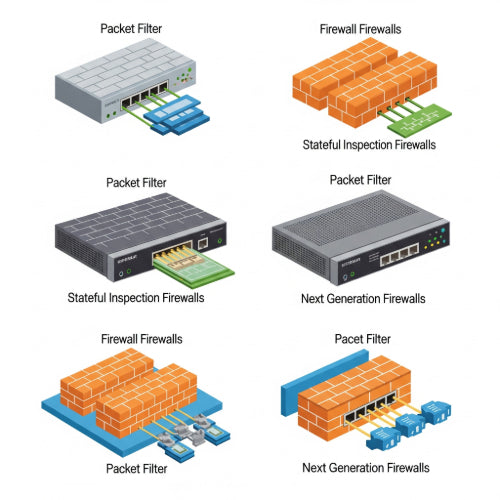
- Next-Generation Firewalls (NGFWs): Deploying advanced firewalls equipped with features beyond traditional packet filtering, such as intrusion prevention systems (IPS), application awareness, and deep packet inspection, to identify and block sophisticated threats.
- Internal Segmentation Firewalls: Implementing firewalls within their internal network to segment different departments and sensitive data zones, limiting the potential impact of a breach in one area.
- Web Application Firewalls (WAFs): Protecting their patient portals and online services from web-based attacks, such as SQL injection and cross-site scripting.
- Regular Updates and Patching: Establishing a rigorous process for keeping firewall firmware and security signatures up-to-date to address the latest threats.
- Comprehensive Firewall Management: Implementing centralized management tools and training their IT security team to effectively configure, monitor, and maintain the firewall infrastructure.
The Fortified Defense: Enhanced Security and Patient Confidence
The implementation of this comprehensive firewall strategy has delivered significant security enhancements for HealthFirst Medical:
- Reduced Risk of Data Breaches: The robust firewall system acts as a strong deterrent and barrier against unauthorized access attempts, significantly minimizing the likelihood of sensitive patient data being compromised.
- Protection Against Malware and Cyberattacks: The advanced threat detection capabilities of the NGFWs actively identify and block malicious software and sophisticated cyberattacks before they can penetrate the network and cause harm.
- Ensured Network Availability: By mitigating the risk of DoS attacks, the firewalls help ensure the continuous availability of critical healthcare systems and online services for patients and staff.
- Strengthened Regulatory Compliance: The robust firewall infrastructure helps HealthFirst Medical meet and exceed the stringent security requirements mandated by healthcare regulations, avoiding potential penalties and demonstrating their commitment to data protection.
- Enhanced Patient Trust and Confidence: Knowing that HealthFirst Medical has invested in cutting-edge security measures, including advanced firewalls, reinforces patient trust in the organization's commitment to protecting their sensitive information.
- Improved Incident Response Capabilities: The detailed logging and monitoring capabilities of the firewalls provide valuable insights for security incident analysis and response, enabling faster and more effective remediation.
Conclusion:
HealthFirst Medical's strategic deployment of a comprehensive firewall system exemplifies the critical role that robust network security plays in safeguarding healthcare organizations. By proactively investing in this essential technology, they have significantly enhanced their defenses against a wide range of cyber threats, protected sensitive patient data, ensured the continuity of their services, and reinforced the trust of those they serve. In an era where cyber threats are constantly evolving, a well-configured and diligently managed firewall infrastructure remains the indispensable first line of defense for any healthcare organization committed to protecting its patients and its future.