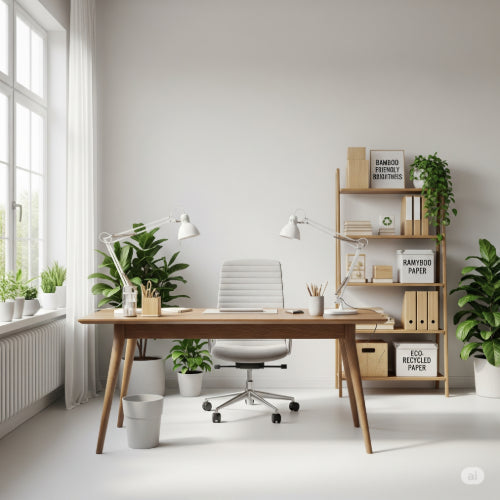
Creating Your Green Sanctuary: How to Build an Eco-Friendly Home Office
The rise of remote work has brought numerous benefits, but it also means more energy consumption and resource use within our homes. Creating an eco-friendly home office is a fantastic way to minimize your environmental impact, boost your well-being, and even save money in the long run. Here's a comprehensive guide to building a sustainable workspace right in your home:
1. Location, Location, Location (Mindfully Chosen):
- Natural Light Maximization: Position your desk near a window to take advantage of natural daylight. This reduces the need for artificial lighting during the day, saving energy. Consider window orientation to avoid excessive heat gain in warmer months.
- Temperature Regulation: Choose a space that's naturally cooler or easier to regulate temperature-wise. Avoid rooms that get direct sun for long periods, or consider using window coverings to manage heat.
- Minimize Travel: If you occasionally need to commute to a co-working space or client meetings, consider setting up your office in a location that minimizes travel distance.
2. Sustainable Furniture Choices:
- Prioritize Durability and Longevity: Invest in high-quality, well-built furniture that will last for years, reducing the need for frequent replacements and minimizing waste.
- Look for Sustainable Materials: Opt for furniture made from recycled materials, reclaimed wood, bamboo, or FSC-certified wood from responsibly managed forests.
- Consider Secondhand or Refurbished: Explore local furniture stores, online marketplaces, or even your own attic for gently used furniture that can be repurposed. Refurbishing existing pieces is a highly sustainable choice.
- Choose Non-Toxic Finishes: Look for furniture finished with low-VOC (Volatile Organic Compound) paints, stains, and sealants to improve indoor air quality.
3. Energy-Efficient Technology:
- Energy Star Certified Devices: When purchasing computers, monitors, printers, and other electronics, always look for the Energy Star label. These products meet strict energy efficiency guidelines.
- Laptop Over Desktop (When Possible): Laptops generally consume significantly less energy than desktop computers. If your work allows, a laptop can be a more sustainable choice.
- Smart Power Strips: Use smart power strips to eliminate phantom energy drain from devices that are plugged in but not in use. These strips can automatically turn off power to peripherals when the main device is shut down.
- LED Lighting: Replace traditional incandescent or fluorescent bulbs with energy-efficient LED lighting. LEDs consume significantly less energy and have a much longer lifespan. Consider task lighting to focus light where you need it, rather than illuminating the entire room.
4. Eco-Friendly Office Supplies:
- Recycled and Sustainable Materials: Choose office supplies made from recycled paper, bamboo, or other sustainable materials. Look for refillable pens and pencils.
- Reduce Paper Consumption: Embrace digital tools for note-taking, document sharing, and communication. When printing is necessary, print double-sided and use recycled paper.
- Non-Toxic Options: Opt for non-toxic glues, markers, and cleaning supplies to minimize your exposure to harmful chemicals.
- Reusable Containers: Use reusable water bottles, coffee mugs, and food containers to reduce single-use plastic waste.
5. Waste Reduction and Recycling:
- Set Up Recycling Bins: Have separate bins for paper, plastic, and other recyclables in your home office.
- Composting (If Applicable): If you consume food in your office, consider composting food scraps.
- Minimize Packaging Waste: When ordering supplies online, try to consolidate orders and choose suppliers who use minimal and recyclable packaging.
6. Green Decor and Plants:
- Indoor Plants: Incorporate indoor plants into your office space. They improve air quality by absorbing pollutants and releasing oxygen. Choose low-maintenance varieties suitable for your light conditions.
- Natural Materials: Opt for decor items made from natural and sustainable materials like wood, bamboo, and organic cotton.
- Sustainable Textiles: If you use rugs or curtains, choose options made from natural or recycled fibers.
7. Conscious Energy Habits:
- Turn Off Devices: Make it a habit to completely turn off computers, monitors, and other electronics at the end of your workday.
- Unplug Chargers: Even when your devices are not connected, chargers can still draw a small amount of power. Unplug them when not in use.
- Adjust Thermostat Mindfully: Be mindful of your thermostat settings. Lower the temperature slightly in winter and raise it slightly in summer to reduce heating and cooling demands. Consider using a programmable thermostat.
Building an eco-friendly home office is a journey, and every small step makes a difference. By consciously choosing sustainable products, adopting energy-saving habits, and minimizing waste, you can create a workspace that is not only functional and comfortable but also kind to the planet. Your green sanctuary awaits!