Beyond Recycling Bins: How to Create a Zero-Waste Office with the Right Tech
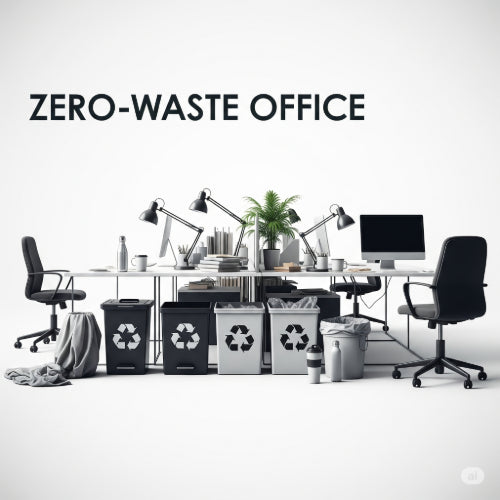
The concept of a "zero-waste office" might sound ambitious, even utopian, in our tech-driven world. After all, offices inherently generate waste – from coffee cups to electronic devices. However, with thoughtful planning and the strategic integration of the right technology, achieving a near-zero-waste workspace is not only possible but increasingly practical and beneficial for businesses of all sizes.
A zero-waste approach means designing and managing your office operations to prevent waste generation as much as possible, diverting what remains from landfills, and focusing on resource efficiency. And technology is your most powerful ally in this mission.
The Vision: Why Go Zero-Waste in Your Office?
The benefits of minimizing waste extend far beyond environmental responsibility:
-
Reduced Environmental Impact: Less waste in landfills, fewer resources extracted, and lower emissions from waste transportation and processing.
-
Cost Savings: Less waste means reduced waste disposal fees, lower procurement costs (less buying of disposables), and optimized resource use.
-
Enhanced Brand Reputation: Demonstrates strong corporate social responsibility, appealing to eco-conscious clients and employees.
-
Improved Operational Efficiency: A focus on waste reduction often leads to more streamlined processes and less clutter.
-
Healthier Workspace: Reducing waste often means reducing exposure to harmful chemicals found in many disposable items.
The Tech-Powered Path to a Zero-Waste Office:
Here's how technology empowers your journey towards a waste-free workplace:
1. Embrace the Paperless Revolution (Truly!):
This is arguably the biggest leap towards zero-waste in most offices, and it's entirely tech-driven:
-
Cloud-Based Document Management Systems: Store, share, and collaborate on documents digitally. Platforms like Google Workspace, Microsoft 365, or specialized DMS solutions eliminate the need for printing, filing cabinets, and physical archives.
-
E-Signatures and Digital Approvals: Replace paper contracts and approval forms with legally binding digital signatures.
-
Digital Notetaking and Whiteboards: Utilize tablets, interactive displays, and shared digital notebooks to capture ideas without paper.
-
Online Invoicing and Payments: Say goodbye to paper bills and checks. Automate financial transactions digitally.
2. Smart Procurement & Circular IT:
The most sustainable item is often one that's already been used, or one that's designed to last.
-
Prioritize Durability & Repairability: Invest in high-quality, long-lasting office equipment (computers, printers, furniture) that is designed for easy repair and component replacement. This extends product lifespan and reduces waste.
-
Choose Refurbished & Remanufactured: Opt for certified refurbished electronics and remanufactured office furniture. These items offer significant cost savings and dramatically reduce the environmental impact of new production.
-
"Product-as-a-Service" Models: Explore leasing models for equipment where the manufacturer retains ownership and responsibility for recycling or remanufacturing at end-of-life.
-
Consumable Efficiency:
-
Refillable Ink/Toner Systems: Choose printers that use high-capacity, refillable, or remanufactured cartridges.
-
Reusable Coffee Pods/Systems: For office kitchens, replace single-use coffee pods with reusable options.
-
3. Optimize Energy Use (and Waste):
Energy consumption is a form of waste if it's inefficiently used.
-
Smart Power Management: Implement software that automatically puts computers and monitors into low-power sleep modes or shuts them down after hours. Utilize smart power strips to eliminate "vampire drain" from electronics.
-
Energy-Efficient Hardware: Invest in ENERGY STAR certified equipment that consumes less power throughout its lifecycle.
-
Automated Lighting & HVAC: Smart building management systems with IoT sensors can detect occupancy and ambient light, adjusting lighting and climate control to prevent energy waste.
4. Streamlined Waste Diversion & Monitoring:
While the goal is zero waste, some will always remain. Tech helps manage it.
-
Digital Waste Audits: Use software or simple spreadsheets to track waste streams, identifying what's being discarded and where improvements can be made.
-
Recycling Tracking Apps: For larger offices, apps can help manage pick-up schedules for recyclables and compost.
-
Digital Communication for Waste Guidelines: Instead of printing recycling guides, use digital signage, internal portals, or email to educate employees on proper waste separation.
Making the Shift: A Phased Approach
Transitioning to a zero-waste office doesn't happen overnight. Start with achievable goals:
-
Conduct a Waste Audit: Understand what type and how much waste your office currently generates.
-
Go Digital First: Implement paperless solutions for common processes.
-
Invest in Longevity: Prioritize durable, energy-efficient, and repairable equipment.
-
Educate & Engage: Involve your team in the initiatives. Encourage reusable items (water bottles, coffee mugs) and proper sorting.
By thoughtfully integrating the right technologies and adopting a proactive mindset, businesses can move significantly closer to a zero-waste operation. It’s an investment in efficiency, cost savings, and a healthier future – proving that a powerful office doesn't have to come at the Earth's expense.