Fiber Optic Cables Buying Guide: How to Choose the Right Type
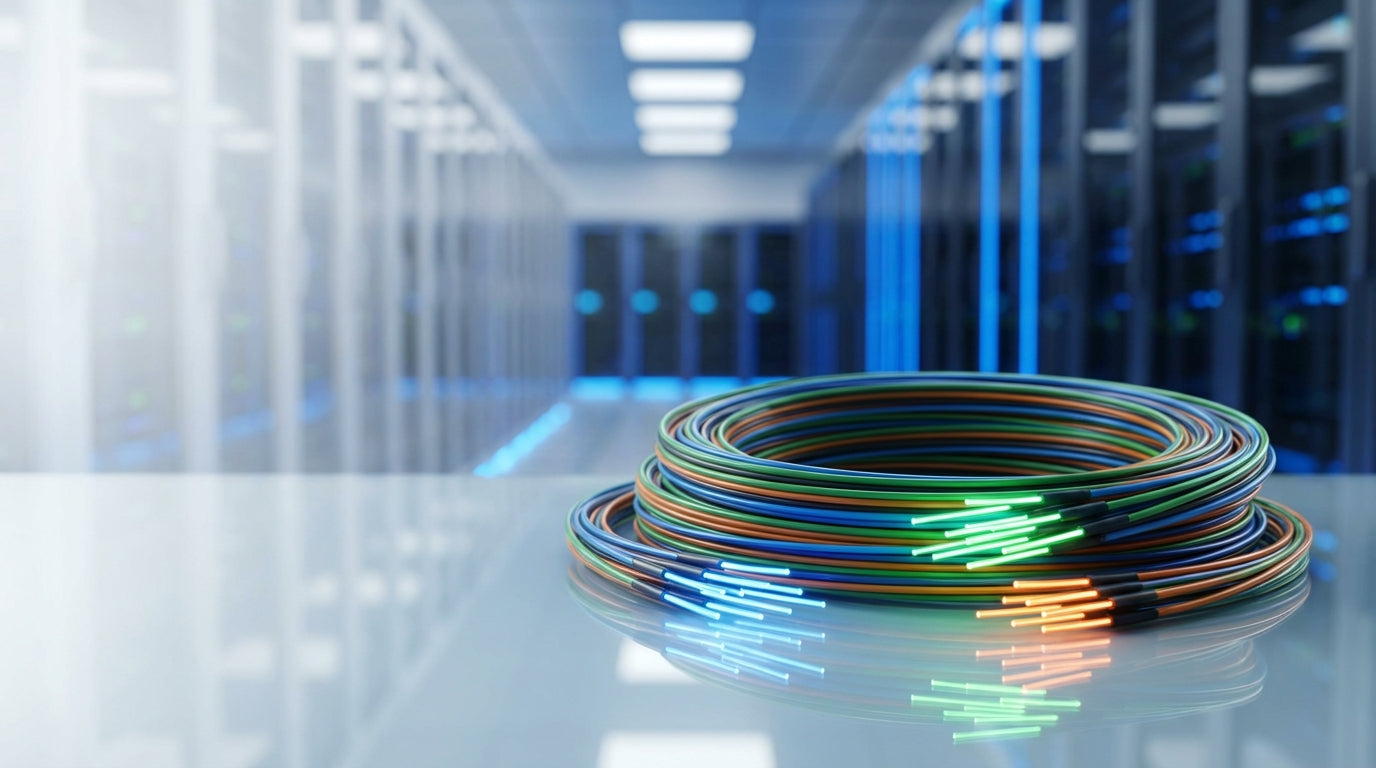
Fiber optic cables power everything from high-speed internet connections to secure data center networks, but choosing the right type can feel overwhelming. With different connector types, cable modes, and performance specifications to consider, many buyers struggle to match their specific needs with the right solution.
This guide will help you navigate the key decisions: single-mode versus multimode cables, connector compatibility, distance requirements, and budget considerations. Whether you're upgrading your home network, building out office infrastructure, or supporting a data center, you'll learn how to choose fiber optic cables that deliver reliable performance without overspending.
Tecisoft's fiber optic cable collection includes options for every application, from basic home networking to enterprise-grade installations.
Understanding Fiber Optic Cable Types
Single-Mode vs. Multimode: The Critical Choice
The most important decision you'll make is between single-mode and multimode fiber optic cables:
Single-Mode Cables:
- Support distances up to 100+ kilometers
- Higher bandwidth capacity (10 Gbps to 100+ Gbps)
- More expensive but future-proof
- Best for: Long-distance connections, data centers, ISP networks
Multimode Cables:
- Support distances up to 2 kilometers
- Lower cost per connection
- Adequate for most business and home applications
- Best for: Office buildings, campus networks, short-distance high-speed links
Fiber Optic Cable Connector Types
Connector compatibility determines whether your cables will work with your existing equipment:
- LC connectors: Small form factor, common in modern equipment
- SC connectors: Square shape, widely used in telecom applications
- ST connectors: Twist-lock design, older but still prevalent
- MTP/MPO connectors: Multi-fiber, high-density data center applications
Always verify your switches, routers, and other equipment's connector requirements before purchasing.
Key Performance Specifications to Compare
Bandwidth and Speed Requirements
Match your cable's capabilities to your actual needs:
Home and Small Office:
- 1 Gbps capacity typically sufficient
- Multimode cables handle most applications
- Focus on cost-effectiveness over maximum performance
Growing Business Networks:
- 10 Gbps capability for future growth
- Consider single-mode for backbone connections
- Plan for 3-5 year technology evolution
Data Centers and High-Performance Applications:
- 25 Gbps, 40 Gbps, or 100+ Gbps for critical links
- Single-mode cables for flexibility and longevity
- Factor in total cost of ownership
Distance and Attenuation Considerations
Fiber optic cables lose signal strength over distance, but much less than copper alternatives:
- Under 300 meters: Both single-mode and multimode work well
- 300 meters to 2 kilometers: Multimode remains viable for many applications
- Over 2 kilometers: Single-mode becomes necessary
- 10+ kilometers: Only single-mode with appropriate equipment
Choosing Cables for Your Application
Data Center and Server Room Installations
Priorities:
- High port density (consider MTP/MPO connectors)
- Future bandwidth scalability
- Reliable performance under temperature variations
- Easy cable management and labeling
Recommendations:
- Single-mode cables for inter-building connections
- High-quality multimode for intra-building links
- Pre-terminated cables to reduce installation time
Office Network Infrastructure
Priorities:
- Cost balance between performance and budget
- Compatibility with existing network switches
- Adequate bandwidth for file sharing and internet access
- Professional appearance for visible cable runs
Recommendations:
- Multimode cables for most horizontal runs
- Single-mode for building backbone connections
- Standard LC or SC connectors for broad compatibility
Home Network and Media Applications
Priorities:
- Simple installation and setup
- Cost-effective solution
- Sufficient bandwidth for streaming and gaming
- Reliable performance for security cameras and smart devices
Recommendations:
- Multimode cables for distances under 500 meters
- Pre-made patch cables for plug-and-play installation
- Consider fiber optic DisplayPort cables for high-resolution displays
Installation and Compatibility Factors
Environmental Considerations
Choose cable construction based on installation environment:
Indoor Applications:
- Standard PVC or LSZH (Low Smoke Zero Halogen) jackets
- Plenum-rated cables for air handling spaces
- Consider bend radius limitations in tight spaces
Outdoor and Harsh Environments:
- Armored cables for burial or exposed installations
- UV-resistant jackets for aerial runs
- Moisture-resistant construction for humid conditions
Network Switch Fiber Optic Compatibility
Ensure your cables match your network equipment:
- Verify transceiver module compatibility (SFP, SFP+, QSFP)
- Check wavelength requirements (850nm, 1310nm, 1550nm)
- Confirm connector types and polarity
- Consider managed switches with fiber optic ports for business applications
Cost Considerations and Budget Planning
Upfront vs. Long-Term Costs
Initial Investment Factors:
- Single-mode cables cost 2-3x more than multimode
- Pre-terminated cables save installation labor
- Quality connectors reduce future maintenance
Total Cost of Ownership:
- Fiber optic cables rarely need replacement (20+ year lifespan)
- Lower power consumption than copper alternatives
- Reduced signal loss minimizes repeater requirements
- Future-proof investment protects against upgrades
When to Choose Premium Options
Invest in higher-grade cables when:
- Supporting mission-critical applications
- Planning for significant bandwidth growth
- Installing in difficult-to-access locations
- Connecting expensive network equipment
Frequently Asked Questions
What's the difference between fiber optic and standard ethernet cables?
Fiber optic cables transmit data as light pulses through glass fibers, while ethernet cables use electrical signals through copper wires. Fiber optic cables support much higher speeds (up to 100+ Gbps vs 10 Gbps), longer distances without signal loss, and complete immunity to electromagnetic interference.
Can I use single-mode cables in place of multimode?
Technically yes, but it's not cost-effective for short distances. Single-mode cables require more expensive transceivers and are overkill for connections under 500 meters. However, single-mode provides better future-proofing if you anticipate needing higher speeds or longer distances later.
How do I determine what fiber optic cable connector types I need?
Check your network equipment's specifications or physically examine existing ports. Look for connector shapes: LC (small square), SC (larger square), ST (round with twist-lock), or MTP/MPO (rectangular multi-fiber). When in doubt, LC connectors are the most common in modern equipment.
Do fiber optic cables require special installation tools?
Pre-terminated fiber optic cables can be installed like any other cable with basic tools. However, field termination requires specialized equipment like fusion splicers, cleavers, and power meters. For most applications, purchasing pre-made cables is more cost-effective than field termination.
What speeds can fiber optic DisplayPort cables support?
Fiber optic DisplayPort cables can reliably transmit 4K and 8K video signals over much longer distances than copper DisplayPort cables. They typically support the full DisplayPort 1.4 specification (32.4 Gbps bandwidth) over distances up to 100 meters or more.
How long do fiber optic cables last?
Quality fiber optic cables can operate reliably for 20-25 years or more. Unlike copper cables, fiber doesn't degrade from corrosion, and the glass fibers maintain their optical properties indefinitely. The limiting factor is usually connector wear or changes in technology standards.
Making Your Final Selection
Choose your fiber optic cables based on these decision priorities:
- Determine your distance requirements - Use multimode for under 2km, single-mode for longer distances
- Match connector types - Verify compatibility with your existing network equipment
- Plan for bandwidth growth - Consider 10 Gbps capability even if starting with 1 Gbps
- Factor in installation environment - Choose appropriate jacket materials and protection levels
- Balance cost and performance - Invest in quality for critical applications, optimize cost for basic connectivity
Ready to upgrade your network infrastructure? Browse our fiber optic cables range at Tecisoft to find the right solution for your specific requirements and budget.
Ready to find the right solutions for your needs?
Explore Collection